instruments of Uprising 2019-2025




-
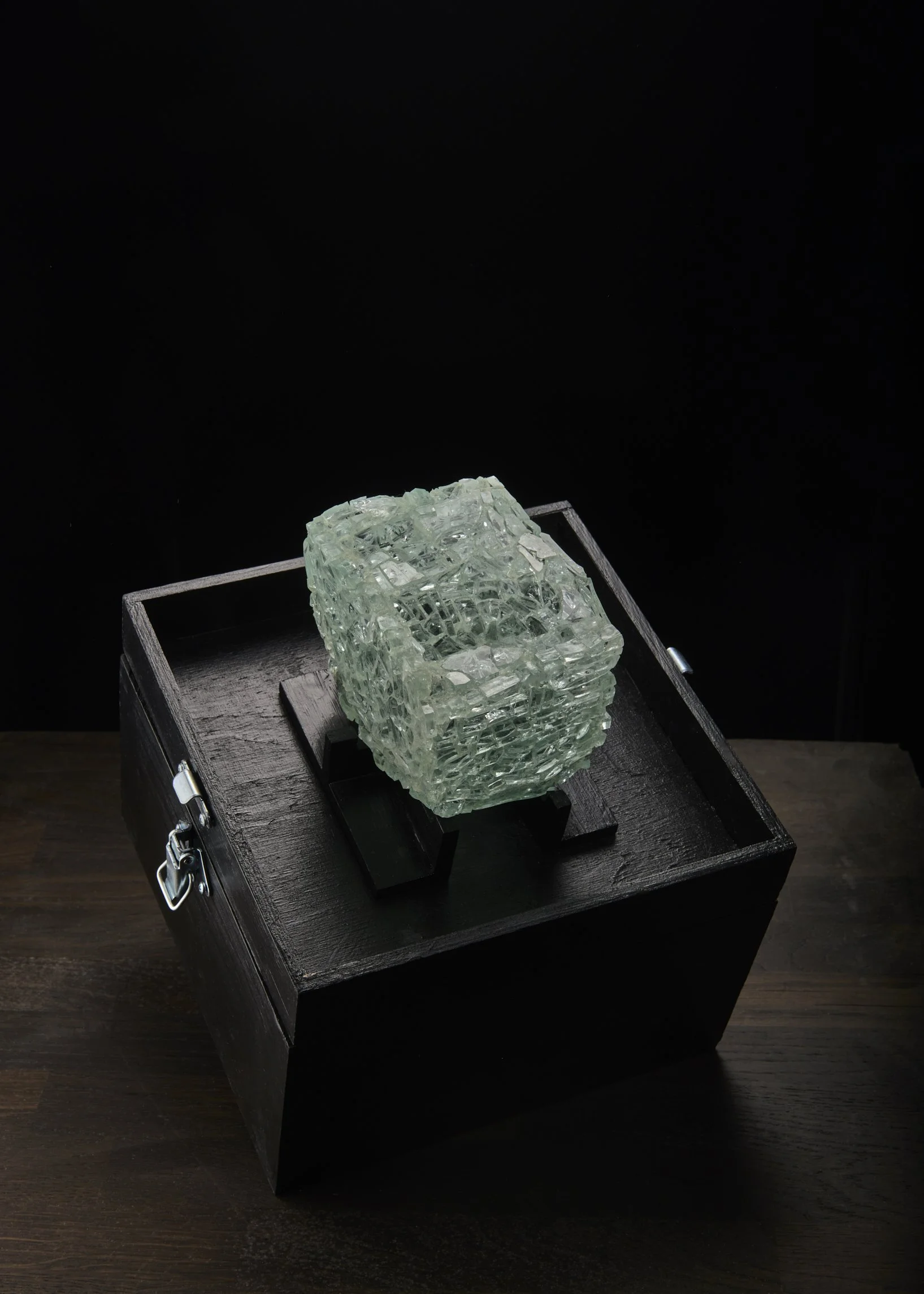
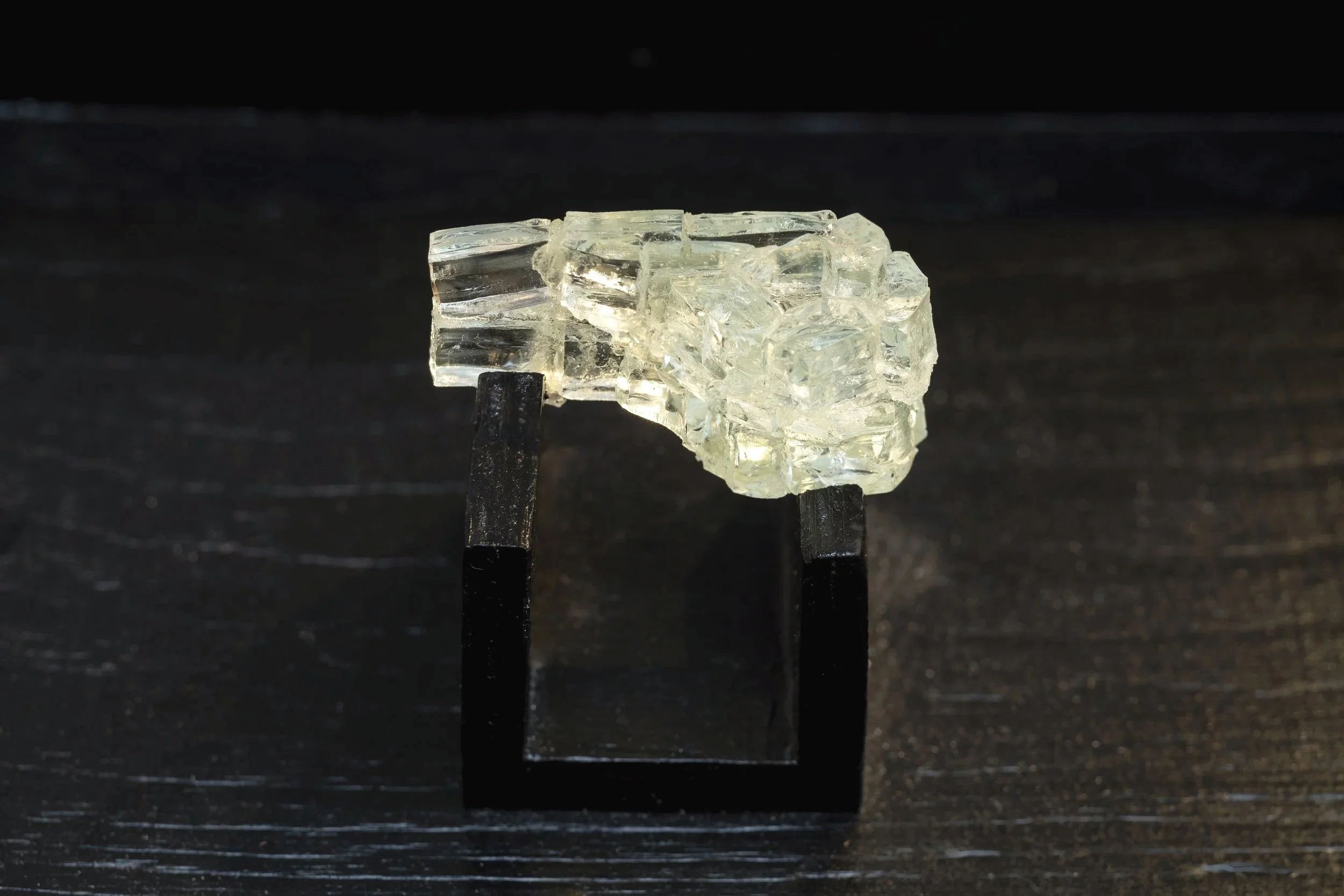
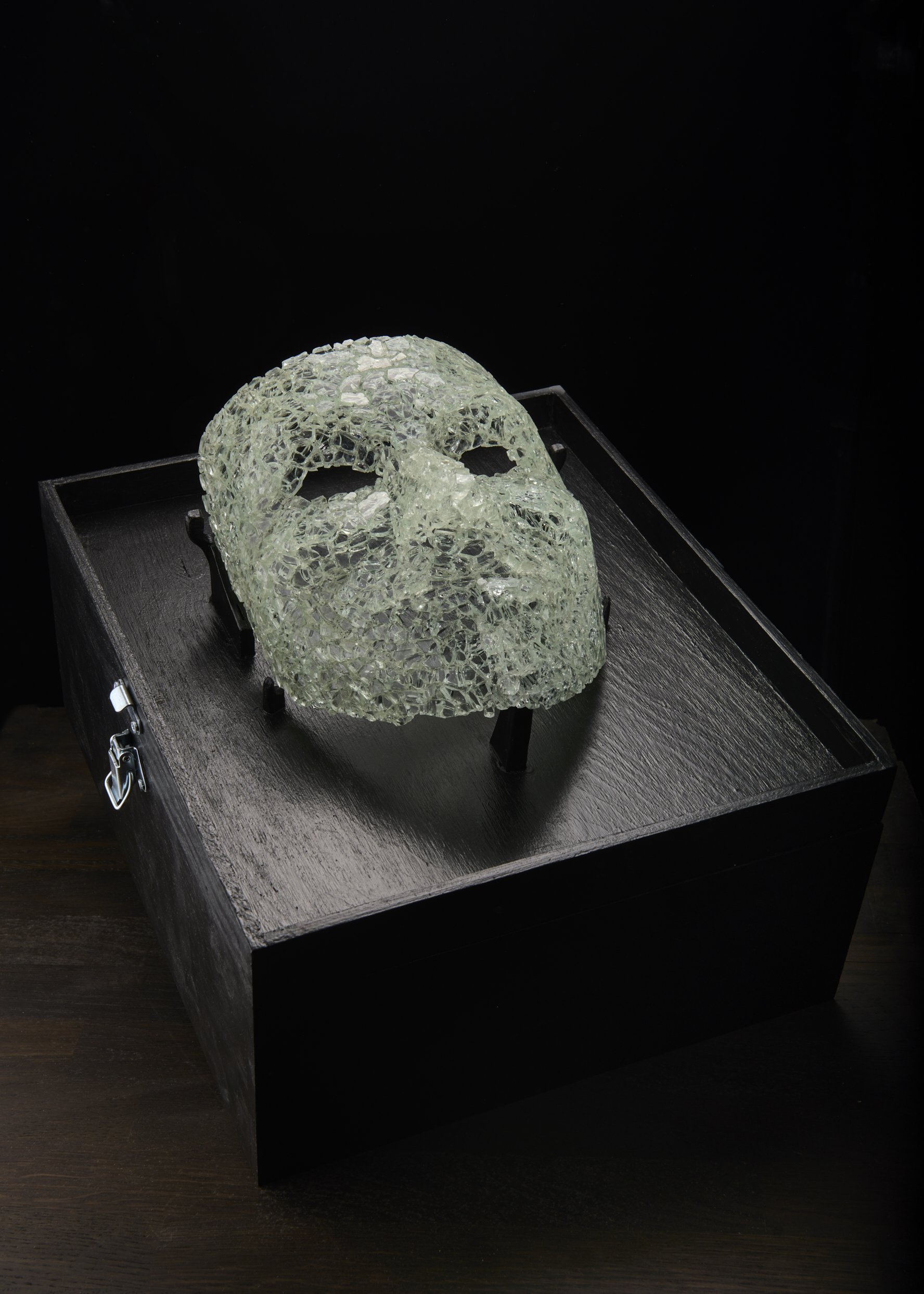
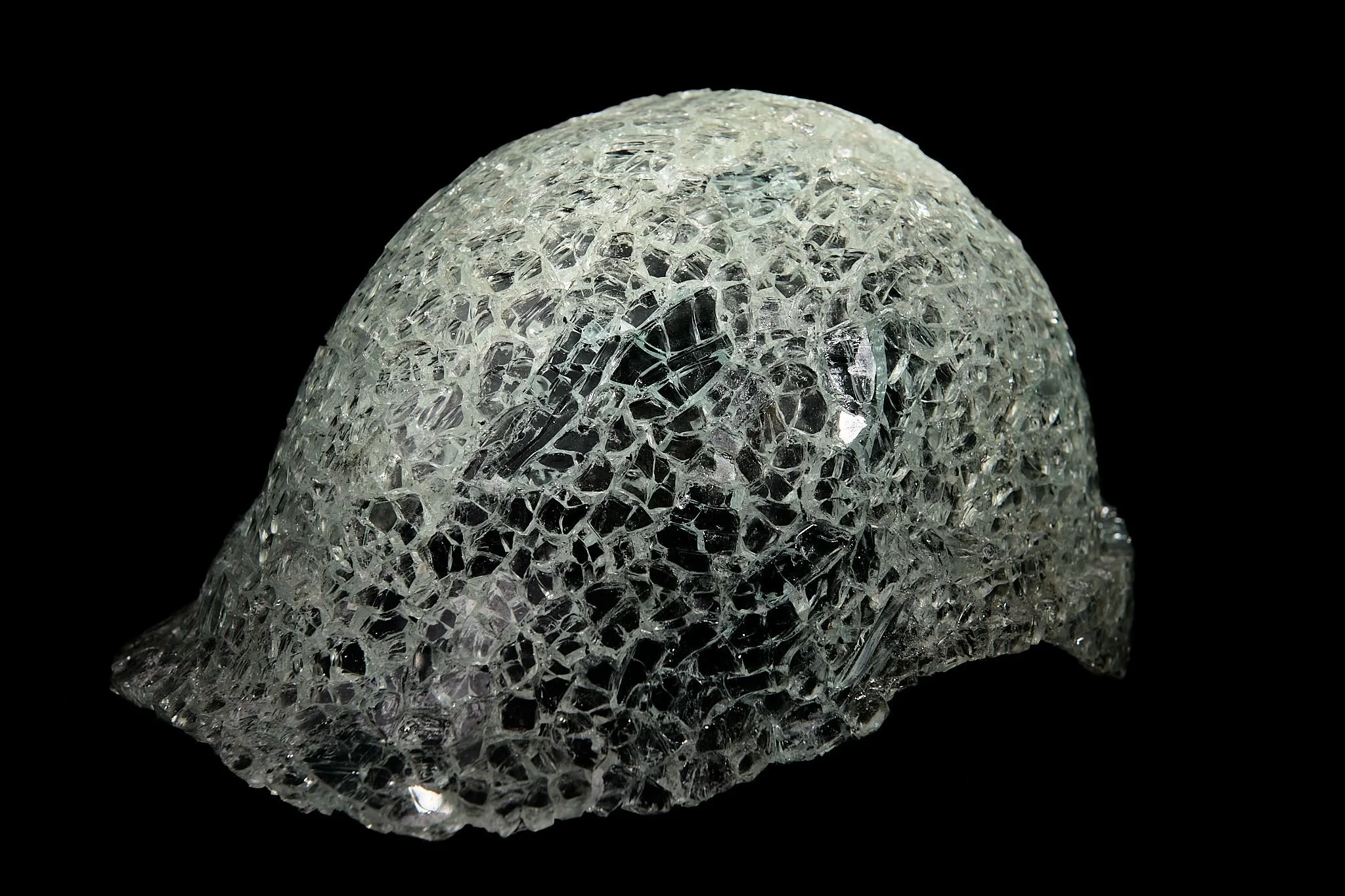
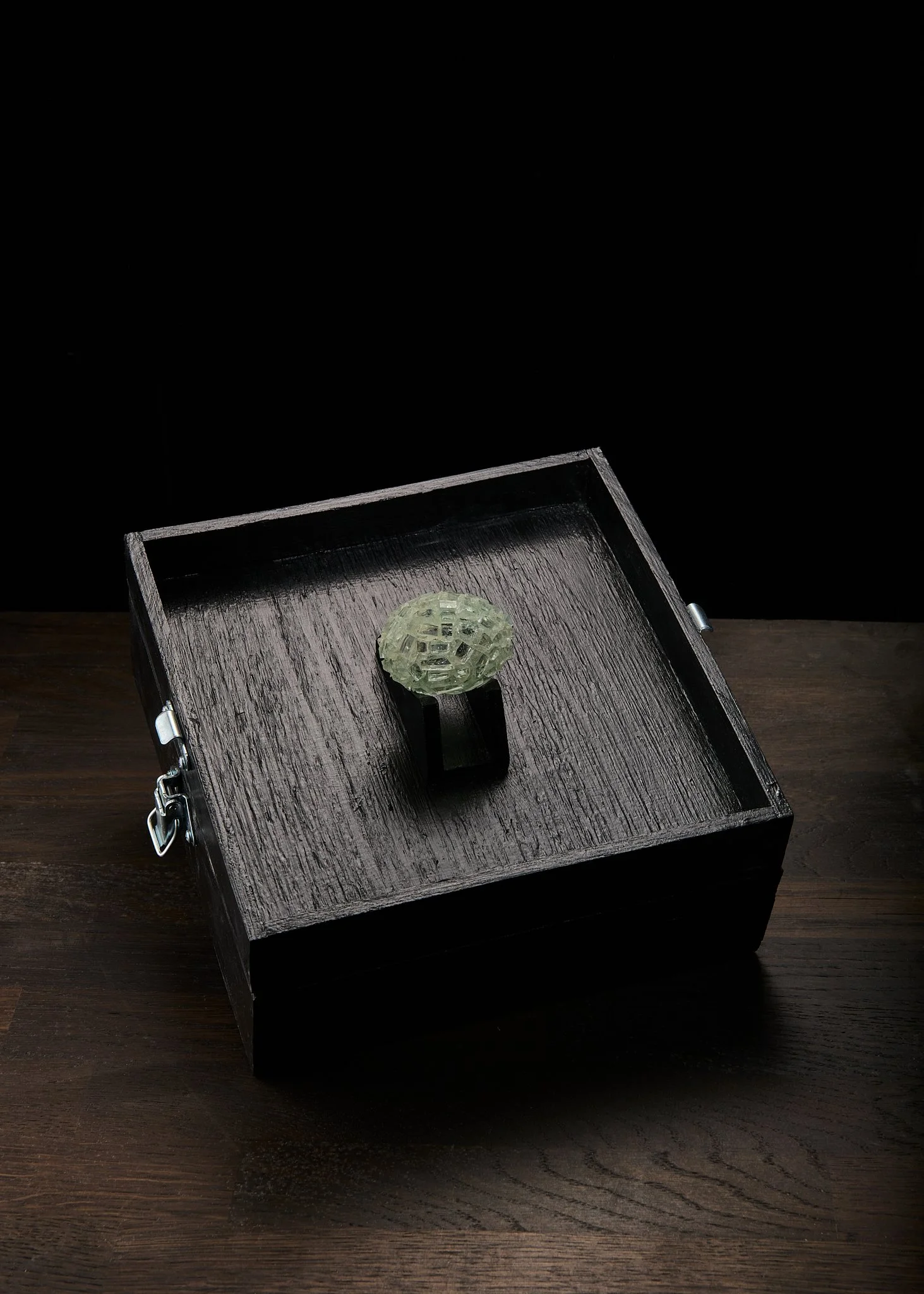
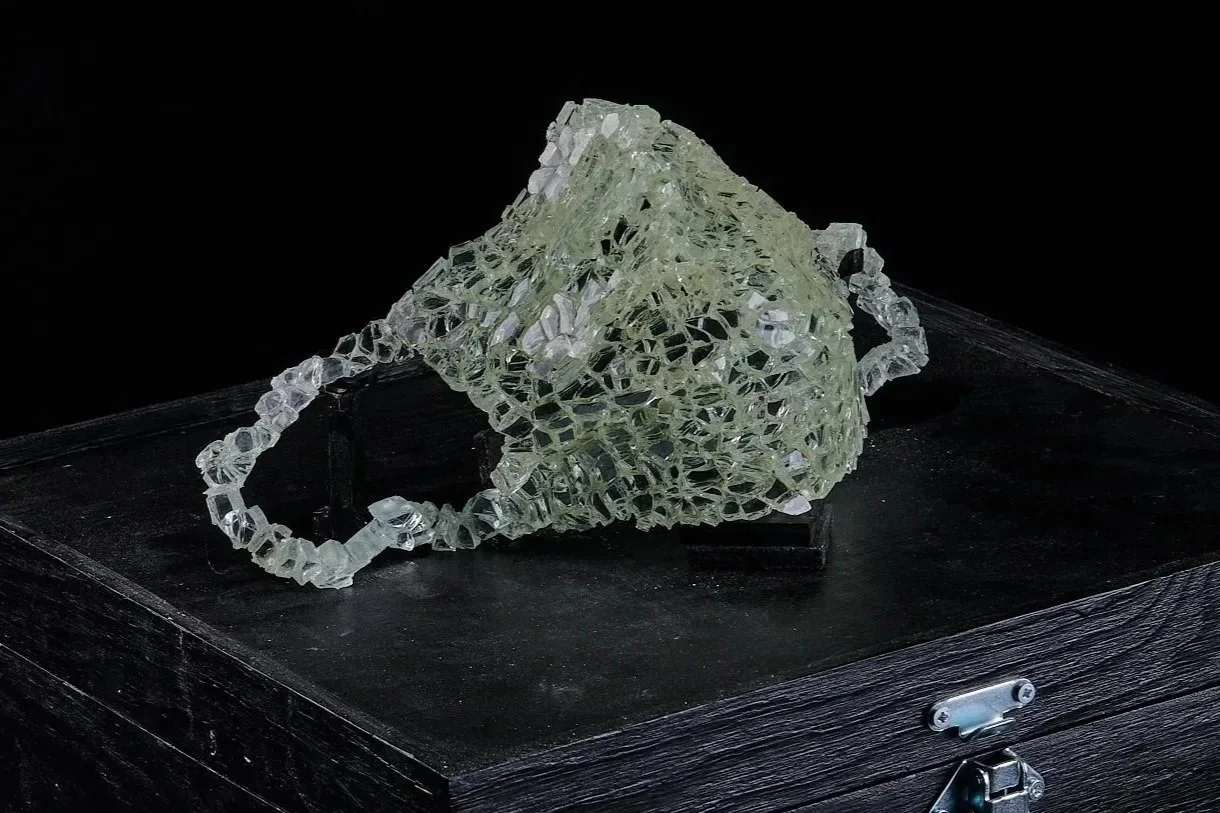
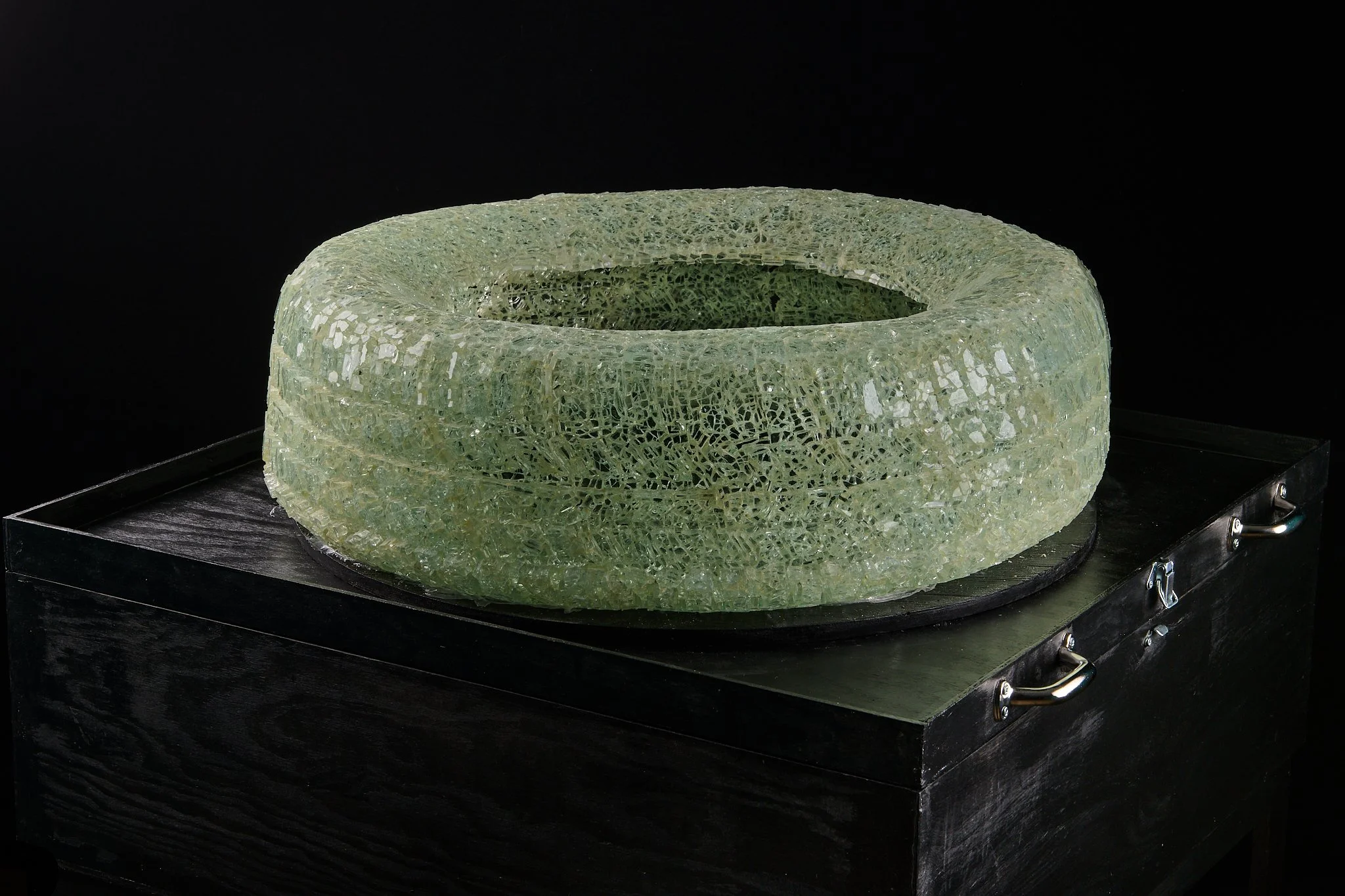
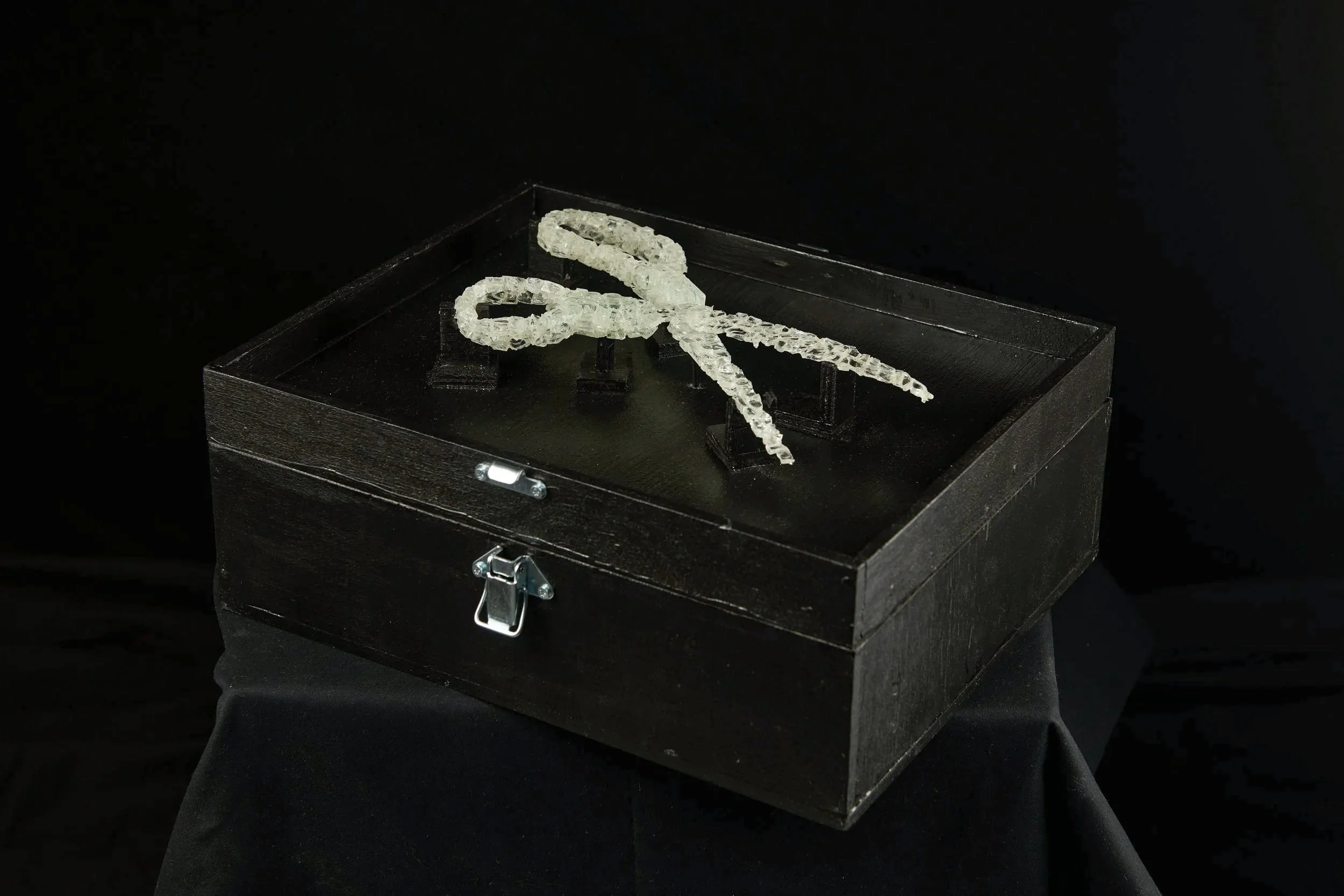
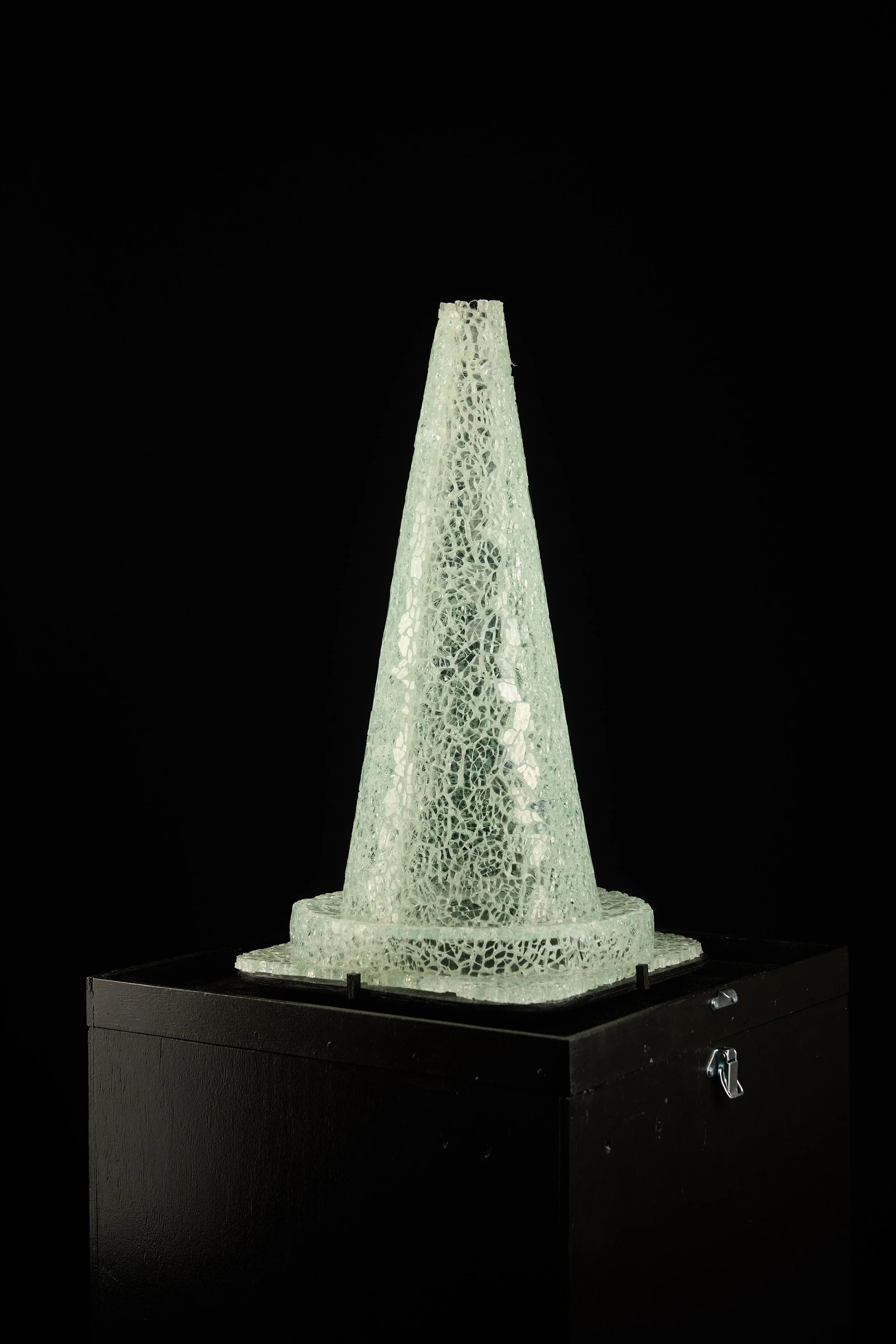
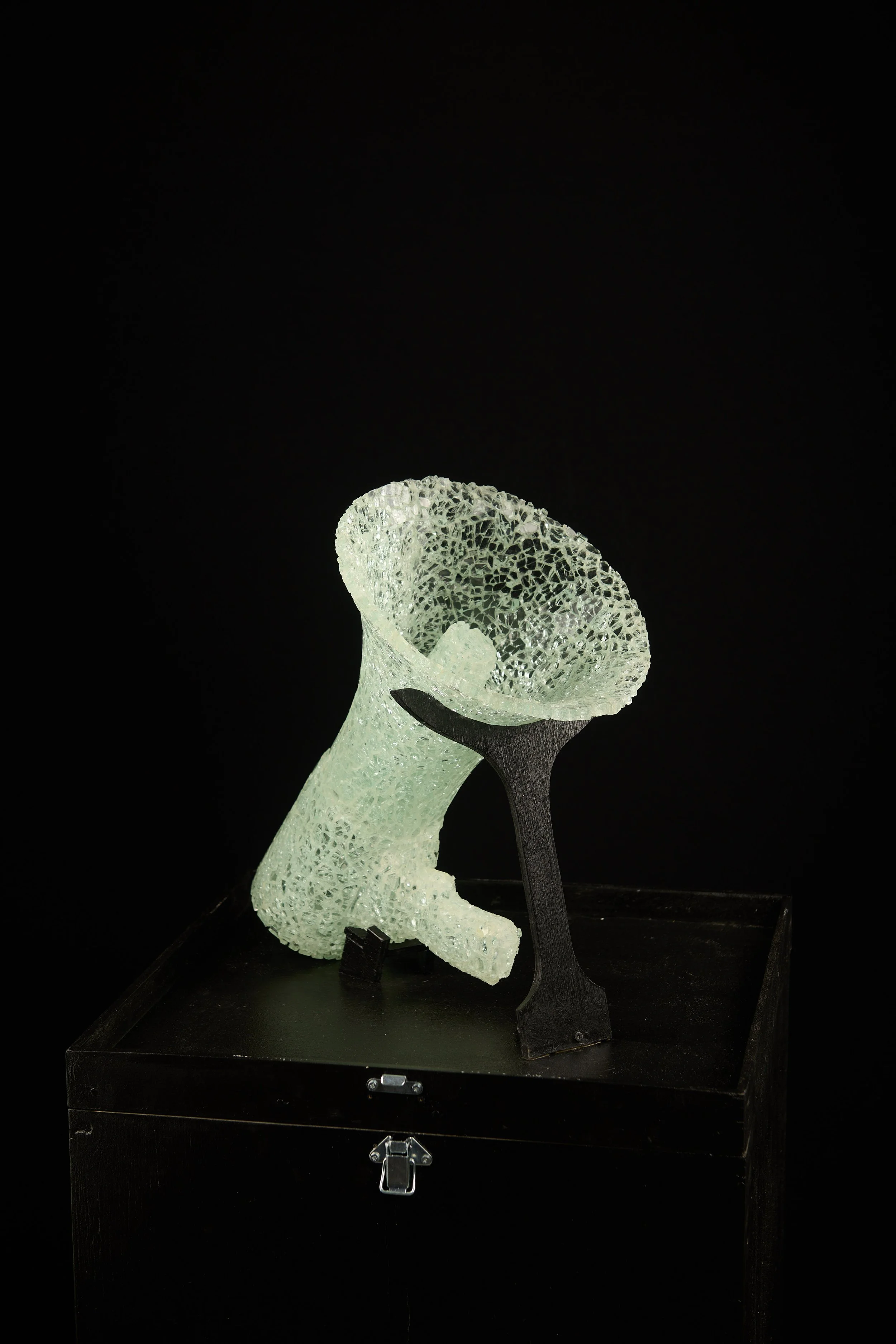
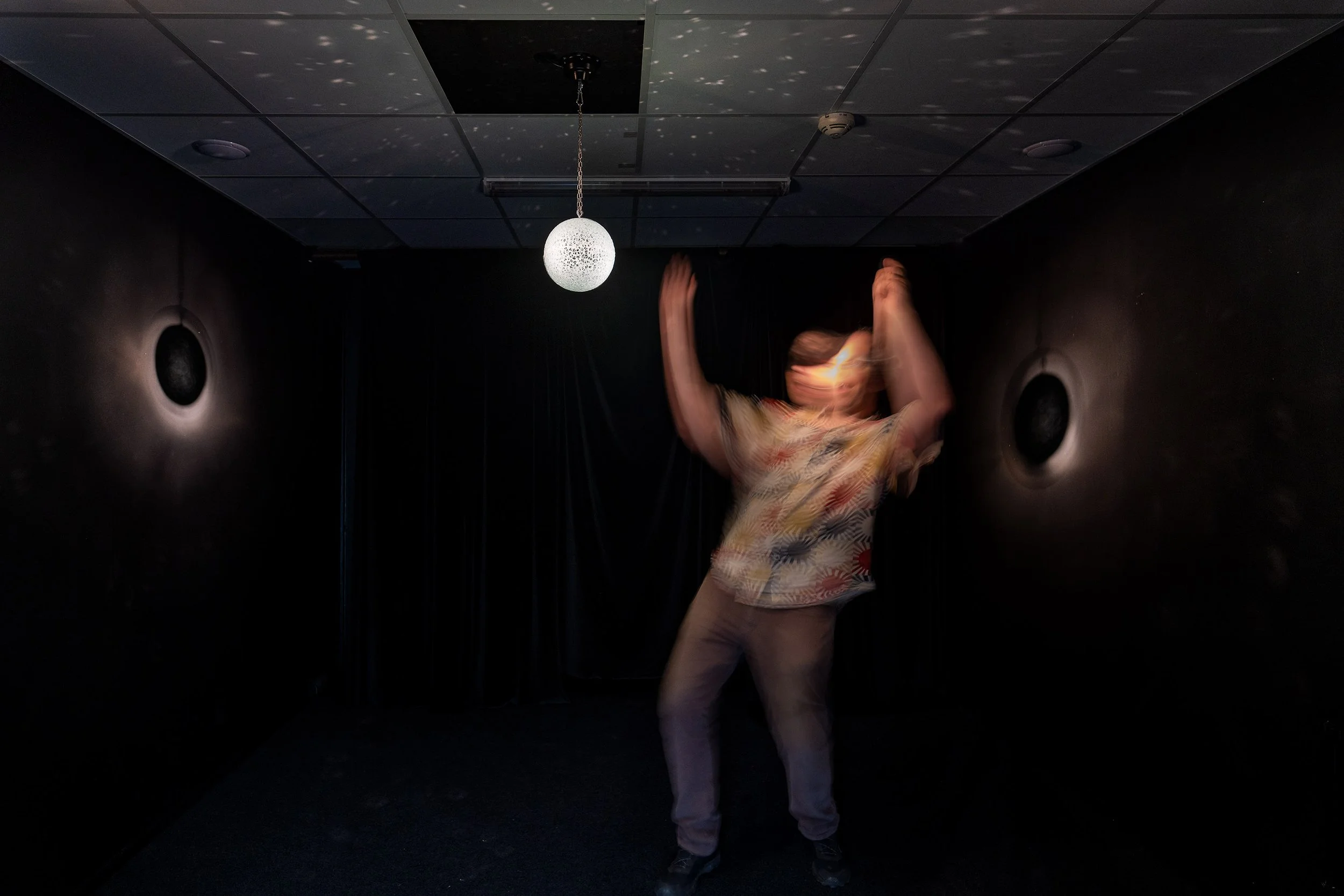
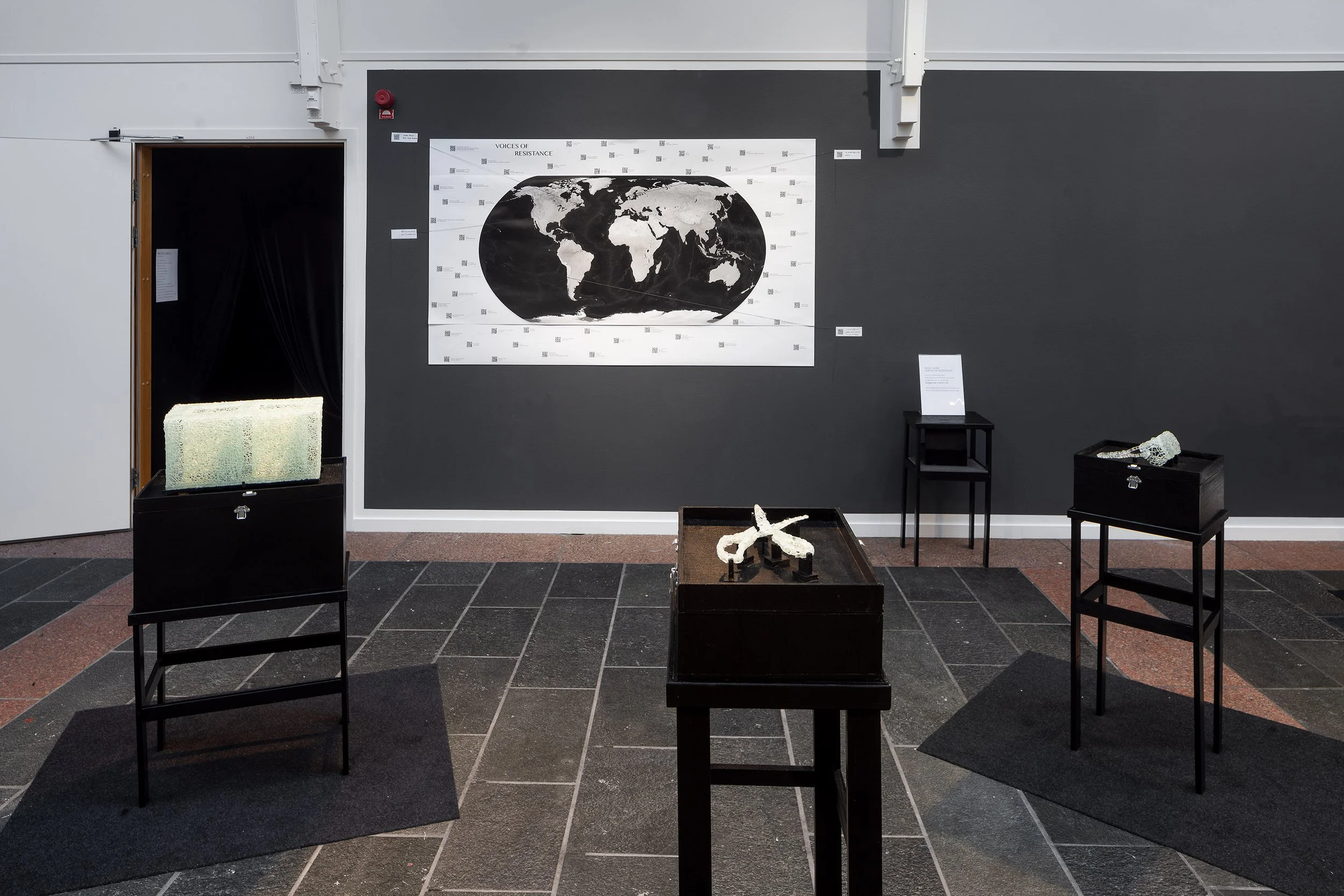
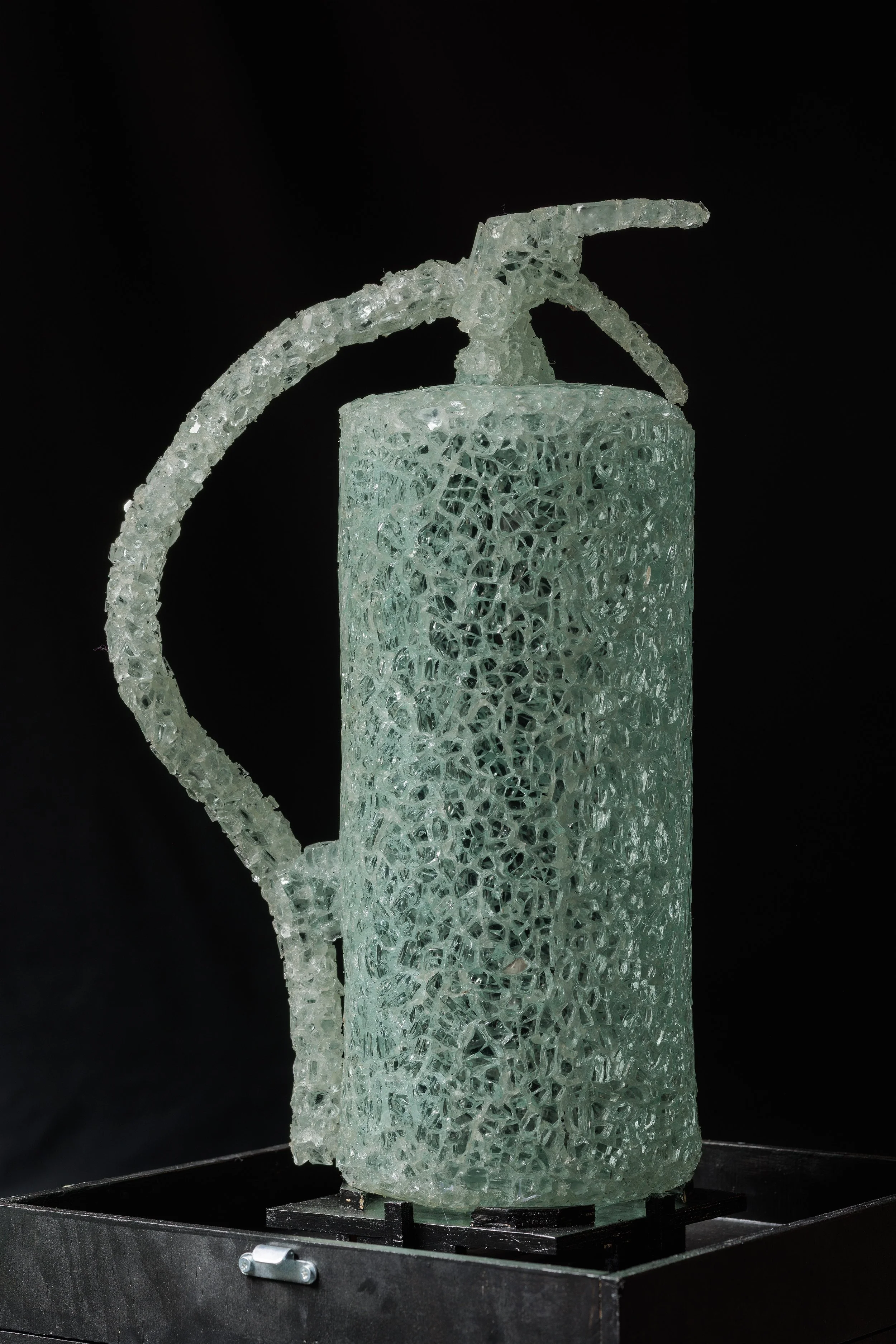
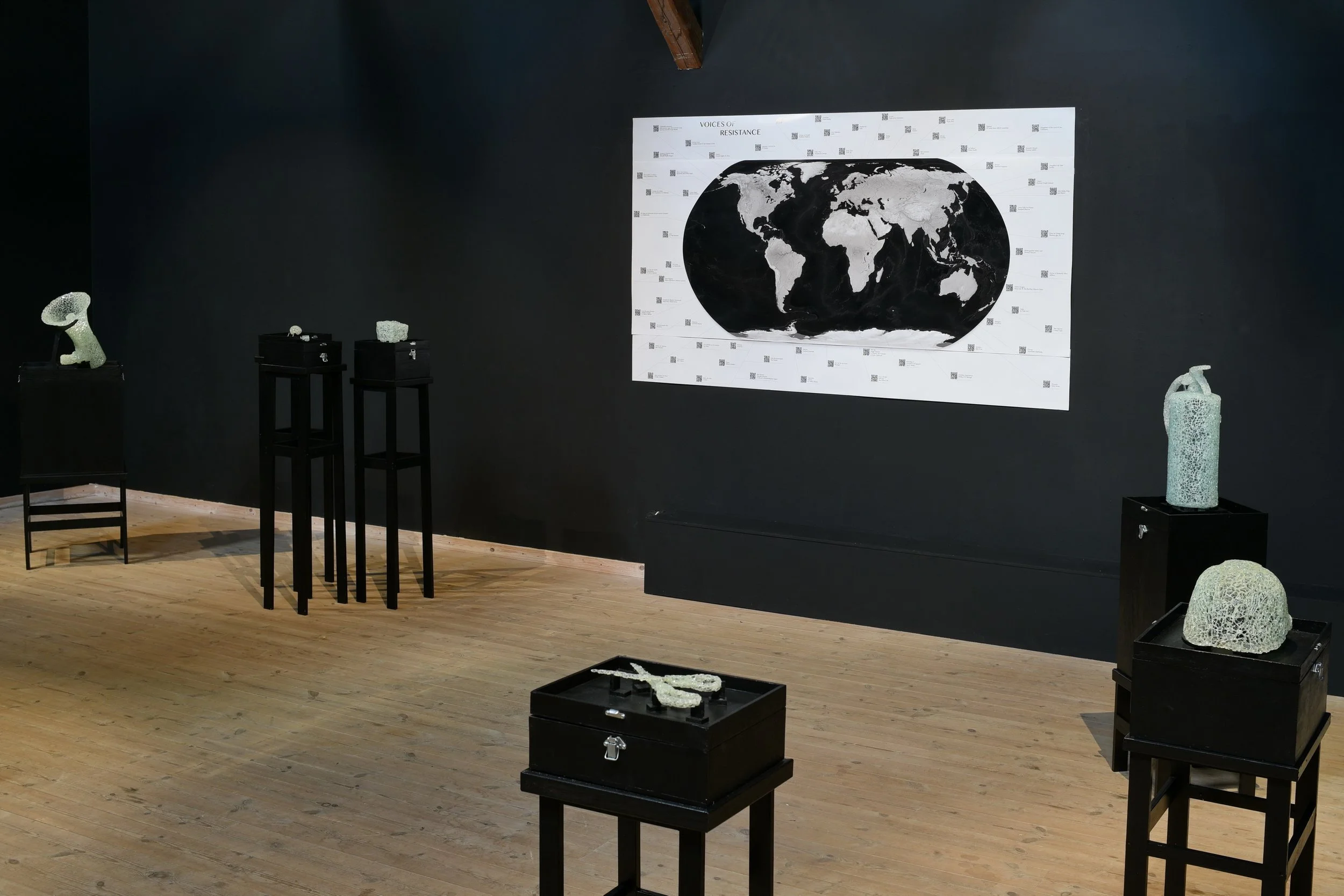
These objects are replicas of props used by demonstrators around the world between 2019-2025. The objects in the series are named after reliably recorded places and dates of use in a protest situation. The series was updated with objects that were used in acts of rebellion at the time. In this way the series adapts and grows with new forms of protest. The material used to make the replicas is safety glass collected from the streets of Gothenburg. Broken and crushed safety glass is produced in large quantities in Gothenburg, where bus stops and other public structures are repeatedly damaged.
-
2025 Kunstpackhuset, Ikast, Denmark
2024 Blå Stället, Gothenburg, Sweden
2023 Culture House Laikku -Studio, Tampere, Finland
2022 3h+k, Pori, Finland
2022 Myymälä2, Helsinki, Finland -
Instruments of Uprising is a work that grows from the context and materiality of safety glass.
Safety glass used in bus stops and public architecture in Nordic countries. It is not neutral material but has a history and context connected to the history of technology. It was first created as car windshields but quickly found its way to be used for different security purposes. In WW1, it was used in gas masks, and after the war, it was fast adopted in places like bank tellers. After the 1950s, the material's clarity improved significantly, becoming a favourite of surveillance and corporate architecture. The Wow architecture of the 2000s saw it becoming a grand favourite material for facades.
It's unclear which contexts the city planners want to refer to when they use safety glass in public spaces. Is the pedestrian in this situation aligned with a magnate in a glass office building or the object of the surveillance industry? The material ensures that there is no privacy in the public space and that everyone sees everyone. Whatever has been the planner's aim, repeated and extensive violence targets the glass panes in public.
I started focusing on this phenomenon after living in Rannebergen in Gothenburg. In this area, everything is closed down, from the shops to the youth centre. The area is surrounded by beautiful nature, that at the same time isolates the area from the nearest, more extensive location. In Rannebergen the repeated braking of the bus stop was a monthly incident. When I talked about it with my peers, I found that they saw it as either a random incident or meaningless vandalism. When you spoke to the young people in the area, it was framed differently. Their experience was one of living in the pressure cooker of expectations. The pressure was build between expectations and access to resources as well as on different cultural norms. To me, it isn't a mystery that this pressure builds into anger and frustration and that these feelings are then taken on their gleaming public structures.
The fact that anger and frustration are present in the moment of breaking the bus stop doesn't take away from actions relevance as a political act. Instead, it tells something relevant about the world. The breaking of the glass walls aims to create change. It is transgressive political action that includes aesthetic choices. These actions express the insecurity of being part of society and broader doubt about how it works. With my choice of material, I want to emphasise the significance of this moment. I don't think we should dismiss these expressions of anger as phenomena of people's emotional regulation issues. I see this destruction of glass walls as meaningful information that needs to be heard and understood as part of a conversation—the conversation requires other emotions, knowledge, and actions based on these.
The body of work Instruments of Uprising continues my work with feelings that have an agency with forming of futures. I am interested in the emotions present when the glass pane is broken and how these feelings make us value these actions. By focusing on this one phenomenon, I unravel assumptions about emotions as inner experiences related to instinct. Instead of seeing us as passive entities that emotions work on, I want to focus on how actively feelings work and how we work through feelings. Utilising art, I want to advocate ways of seeing feelings as cultural phenomena that have bodily aspects.
In the case of anger, there is a wide range of different expressions of it present in protest cultures. In these forms, anger is seen as a driver of political change. In Instruments of Uprising, I borrow the forms from protest cultures around the world. Anger and despair meet carnivalism, protectionism, and the potential of violence as strategies to express emotions. As scary or explosive as anger often is, it is framed by cultural resources. I want to bring forth the plurality of solutions and resources found in the protest movements. I emphasise the connection to a specific time and place by naming the replicas by the recorded time and place of the original object. The objects I select to be part of Instruments of Uprising do not represent strategies I would specifically promote. Instead, they are the ones taking place during the making of the replicas.
My process with objects is time-consuming and labour-intensive. It is a way to stop and listen to the anger that is taking place.
Instruments of Uprising is a series of work where I look in to the political agency of Anger. Anger is perhaps the most feared of all emotions. When we examine its different manifestations, both its cultural particularities—such as its gendered nature—and its powerful capacity for change come into view.
Currently, we are witnessing the rise of a new masculinity that emphasizes “traditional” gender roles and emotional restraint. Models of masculinity are being drawn from the rigid behavioral patterns shaped by the violent traumas of men who lived through the Second World War. A society that produces such models has been—and would still be—dangerous for everyone, regardless of gender. But this is not the only possible future.
Alternative futures research suggests that as long as we can imagine a different future, it remains possible. According to Luce Irigaray, we must be ready to act the moment the resources to enable change are with in our reach. To wonder with our body open to that what is present. This is what I do with anger: through beauty and storytelling, I sketch out what the future could be. My works carry parallel histories, the multiplicity of the cultural expressions of anger. From this seed bank of expressions different futures can be imagined and acted upon. The expression can be that of restraint or sublimation but also that of mischief, re-appropriation, protection and carnevalism. All of these possibilities are found in the different iterations of Instruments of Uprising.